
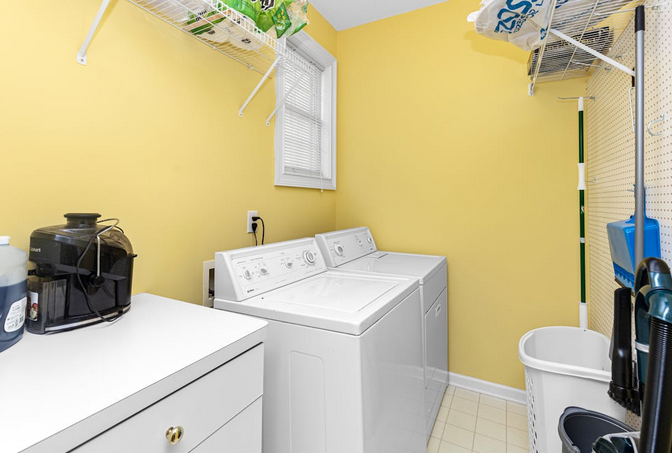
Laundry is a routine task, yet the space where it happens often receives little attention. A poorly planned layout wastes time and energy. You walk back and forth. You search for supplies. You struggle with limited counter space. A functional laundry room layout can change that experience. It supports smooth movement and clear organization. When each element has a purpose and position, the entire process becomes faster and less stressful.
Plan Around Workflow

The most efficient layouts follow a simple sequence. Sorting comes first. Washing and drying follow. Folding and storage come last. When these steps flow in order, you avoid unnecessary steps. Place hampers or sorting bins near the entrance. Position the washer and dryer side by side if possible. Add a folding surface close to the dryer. This arrangement supports natural movement. You move in one direction instead of circling the room. The design does not need to be elaborate. It needs to make sense. Think about how you actually do laundry. Your layout should reflect real habits rather than a showroom display.
Maximize Vertical Space
Many laundry rooms are small. Floor space is limited. Walls, however, offer opportunity. Install cabinets above machines. Add open shelving for detergents and baskets. Hooks can hold ironing boards or cleaning tools. Vertical storage reduces clutter on counters. It also keeps essentials within reach. Clear surfaces make folding easier and faster. Even a narrow wall can hold slim shelves. When using upper cabinets, store less-used items higher. Keep daily supplies at eye level. This reduces stretching and bending. Small adjustments like this save time over weeks and months.
Create a Dedicated Folding Area
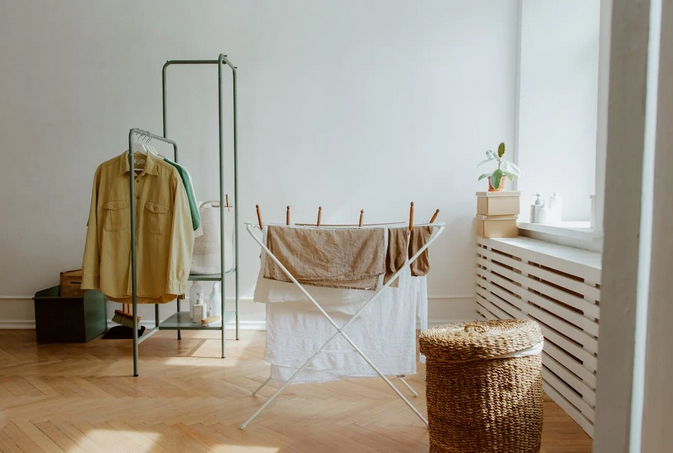
Folding laundry on a bed or couch adds extra steps. A built-in or countertop folding area keeps everything in one room. This speeds up the process. A simple counter installed above front-loading machines works well. If you have top-loaders, consider a nearby table or pull-out surface. The goal is convenience. Adequate lighting above the folding zone matters too. Good visibility helps you spot stains or wrinkles. It also makes the space feel more pleasant. When a room feels organized and bright, tasks feel lighter.
Incorporate Smart Storage Solutions
Drawers and labeled bins reduce searching. Store similar items together. Keep stain removers, dryer sheets, and mesh bags in one container. Assign a drawer for repair tools like sewing kits. Pull-out baskets for clean clothes waiting to be folded keep counters clear. Slide-out hampers for dirty laundry maintain order. These features streamline the entire cycle. Closed cabinets create a clean look. Open shelves allow quick access. A mix of both often works best. The key is to ensure that everything has a designated place. This prevents the buildup of random items that slow you down.
Position Appliances Strategically
The placement of machines affects comfort. Side-by-side washer and dryer setups allow easy transfer of clothes. Stacked units save space in compact rooms. Both can be functional when planned correctly. Leave enough clearance for doors to open fully. Avoid tight corners that block movement. If plumbing allows, place machines near a sink. This makes hand-washing or pre-treating stains simpler. Elevating front-load machines on pedestals can reduce bending. This small change improves ergonomics and speeds up loading and unloading. Comfort directly influences efficiency.
Add a Utility Sink and Prep Zone
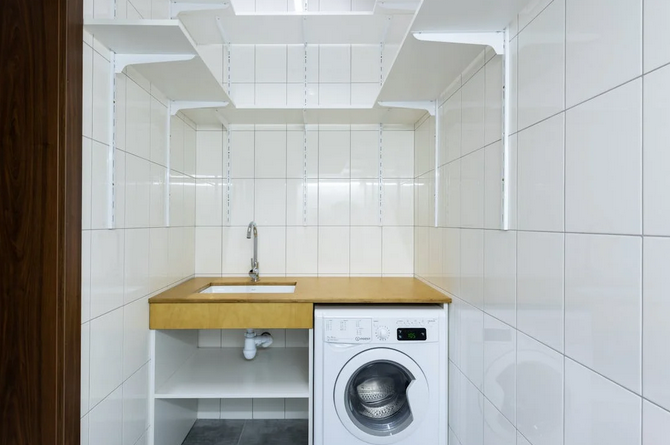
A utility sink is often overlooked. It supports quick rinsing, soaking, and stain treatment. Position it near the washer for smooth transitions. Include a small prep counter beside the sink. This space can hold laundry baskets or cleaning products while you work. Having everything within arm’s reach reduces interruptions. Choose durable materials that handle water and detergent exposure. Practical finishes reduce maintenance. When surfaces are easy to clean, the room stays functional without extra effort.
Design for Multi-Tasking
Laundry time often overlaps with other chores. A thoughtful layout can support multitasking. Add a narrow desk or charging station if space allows. This lets you respond to emails or review schedules while waiting for a cycle to finish. In family homes, consider a shared mudroom and laundry combination. Hooks for coats and cubbies for shoes reduce clutter in other areas. This setup creates a central drop zone. The design does not need to be complex. It needs to serve your routine. When one room supports several tasks efficiently, your overall schedule feels lighter.
Maintain Simplicity and Order
Even the best layout fails without organization. Regularly review what is stored in the room. Remove expired products and unused tools. Keep surfaces clear. Choose neutral colors and simple finishes to create a calm atmosphere. A clean environment reduces visual stress. It also helps you focus on the task at hand. Functional design is not about decoration. It is about intention. Every cabinet, shelf, and surface should support your workflow. When the layout aligns with your habits, laundry becomes a quicker and more manageable task.
A well-planned laundry room saves time through thoughtful layout and smart storage. By organizing the workflow, maximizing vertical space, positioning appliances wisely, and maintaining order, you create a room that works with you rather than against you. Small structural decisions add up. They reduce extra steps and simplify daily routines. In the long run, an efficient laundry layout transforms a routine chore into a smoother process.